Laboratory capability 04
Lubricant Laboratory Setup and ISO 17025 Readiness
Build the laboratory your products and decisions require—not a costly room full of instruments you rarely use.
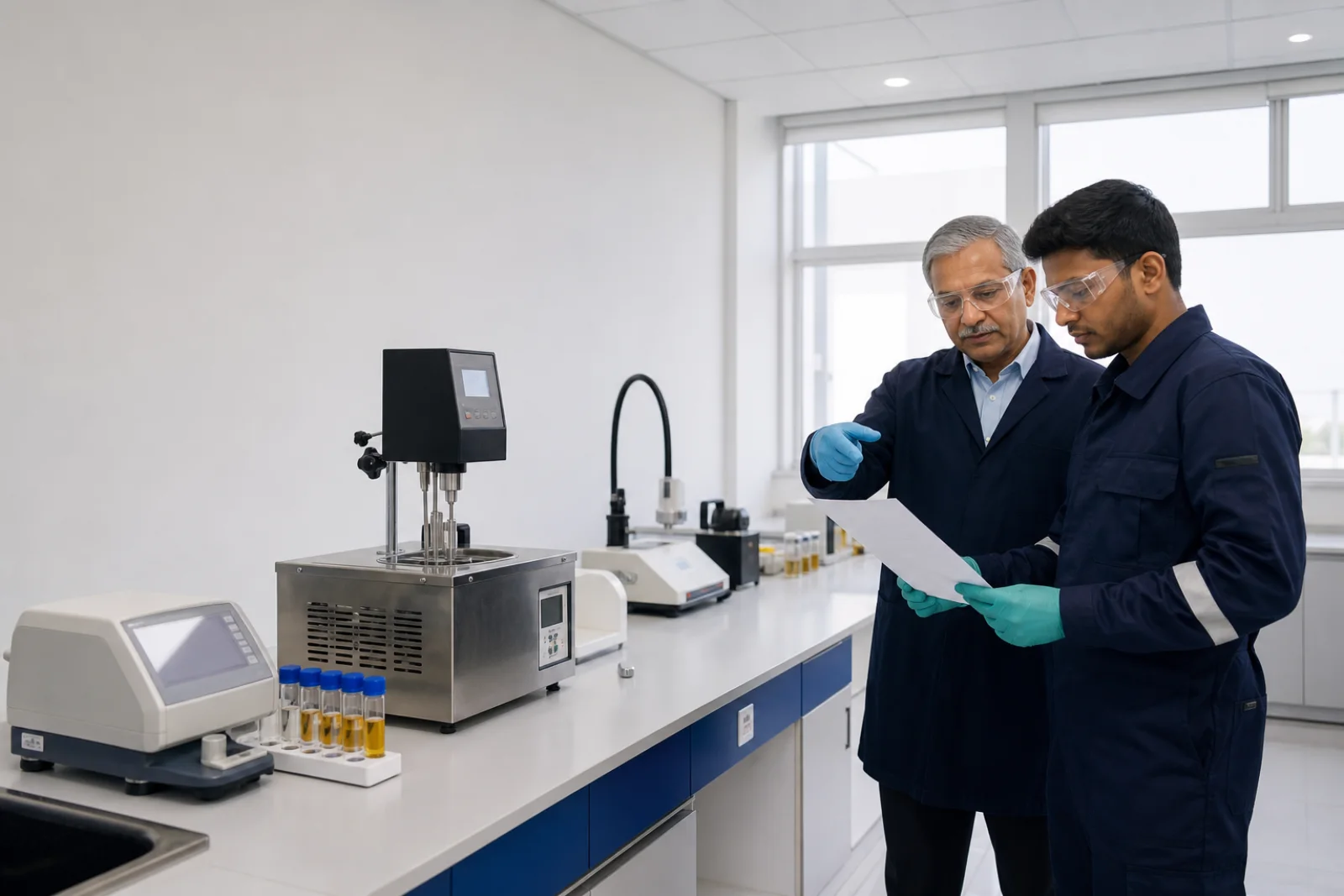
Why this service
Start with the decisions the laboratory must support
A useful QC laboratory is designed around products, batch risks and release decisions. We define which checks belong in-house, which should stay with an external accredited laboratory and how results move from sample receipt to an approved decision.
Support can cover a new laboratory, an upgrade of an existing room or readiness work before a formal ISO/IEC 17025 accreditation application. The plan is scaled to the client rather than copied from a generic equipment list.
Right-sized investment
Prioritize frequent QC and decision-critical tests before advanced instruments.
Reliable routine work
Create clear sample, method, calibration, review and record-control practices.
Accreditation pathway
See the gaps between current practice and the selected ISO/IEC 17025 scope.
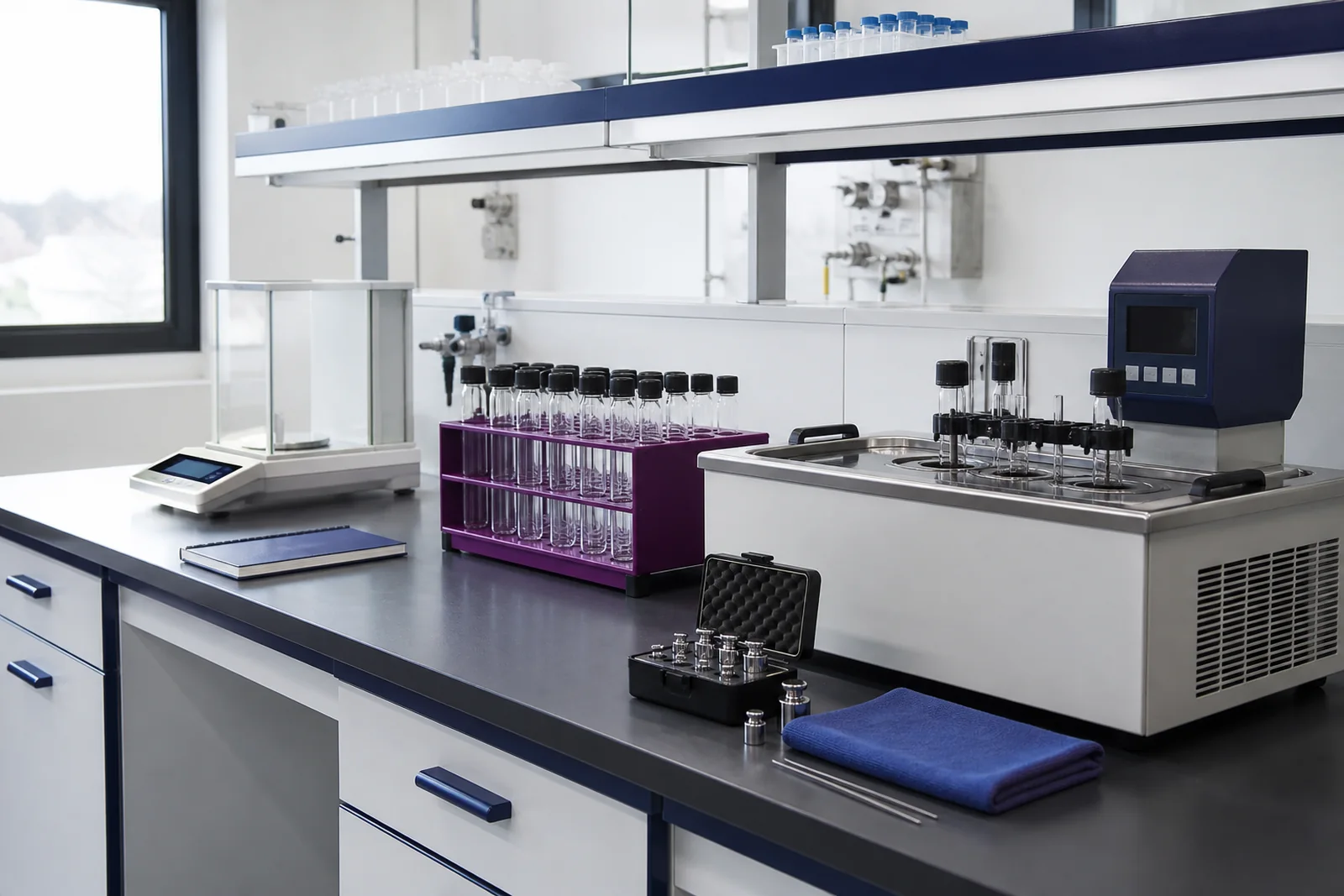
Service lens
Build the laboratory around decisions
Equipment, sample flow, calibration control and working records are planned as one practical laboratory system.
- 01Right test scope
- 02Controlled workspace
- 03Readiness evidence
Who it is for
Built around your operation and your team
The scope is adjusted to the site, business question and people who will use the result.
- Lubricant and grease manufacturers
- Independent petroleum laboratories
- Private-label and toll blenders
- R&D and pilot facilities
- Plants adding in-house QC
- Laboratories preparing for NABL
What you receive
Useful outputs, not a presentation that disappears
Every engagement is scoped around a decision, improvement or working system your team can continue using.
Laboratory scope plan
Products, tests, decision needs, sample volumes and external-laboratory boundaries.
Layout and equipment schedule
Practical bench, utility, safety, storage and instrument recommendations by priority.
Method and quality documents
Selected SOPs, worksheets, equipment records, calibration matrix and result-review flow.
Readiness assessment
Gap report and action plan for the intended ISO/IEC 17025 or NABL application scope.
How the engagement works
A clear route from brief to action
The order matters: first agree the question, then collect the right evidence, and only then recommend action.
- 1
Define products and decisions
List what the laboratory must release, investigate, compare or develop.
- 2
Select the test scope
Separate routine in-house controls from specialist external tests.
- 3
Plan the laboratory
Map space, utilities, equipment, sample flow, safety and future expansion.
- 4
Implement the system
Prepare methods, records, training and equipment-control routines.
- 5
Verify readiness
Run internal checks, witness selected work and close gaps before formal assessment.
Ways to engage
Start focused. Expand only when it adds value.
Final scope, timing and fees are confirmed after a short requirement review.
Routine batch release
Basic production QC lab
- Core test and equipment plan
- Sample and result workflow
- Operator training
Broader testing and R&D
Advanced lubricant lab
- Expanded method matrix
- Utilities and equipment schedule
- Quality-control documentation
Laboratories seeking accreditation
ISO 17025 readiness
- Scope and gap assessment
- Technical and management records
- Internal readiness review
Before we begin
Information that helps us scope the work
- Products and target specifications
- Expected tests and sample volumes
- Available room, utilities and budget range
- Existing equipment and staff capability
- Intended NABL scope, if applicable
Reference-led practice
Standards, research and industry evidence behind the scope
These sources inform the service design. Linked patents are technical references, not a claim that Lubechem owns or uses the patented invention.
Common questions
What clients usually ask first
Do we need every ASTM instrument in-house?
Usually not. Routine release tests may justify in-house equipment, while lower-frequency or expensive tests can remain with an appropriately accredited partner lab.
Can you help select equipment vendors?
Yes. We can prepare functional requirements, compare quotations and review whether the proposed equipment matches the intended method and workload.
Will this guarantee NABL accreditation?
No consultant can guarantee accreditation. We can improve readiness, but NABL makes the independent decision after assessing the laboratory and its defined scope.
Start with the real requirement
Tell us what needs to improve, be verified or be built.
Share the site, team, product or equipment involved and the decision you need to make. We will recommend a sensible first scope.
Start a technical discussion