Machine diagnostics 05
Used-Oil Analysis and Condition Monitoring
Turn repeat oil samples into early warnings and practical maintenance decisions for critical equipment.

Why this service
A useful report connects oil, machine and operating history
Used-oil analysis can show changes in the lubricant, contamination and material generated by wear. A single result can answer a focused question, but repeat samples taken consistently are far more useful for seeing developing change.
We help define the assets, sampling points, test groups and reporting logic, coordinate suitable laboratory analysis and interpret the results alongside oil hours, top-ups, filtration and maintenance events.
Earlier attention
Highlight developing changes before they become an avoidable equipment event.
Better maintenance timing
Support decisions to continue, resample, filter, inspect or change oil based on evidence.
Asset history
Create a repeatable record for each machine instead of isolated laboratory certificates.
Service lens
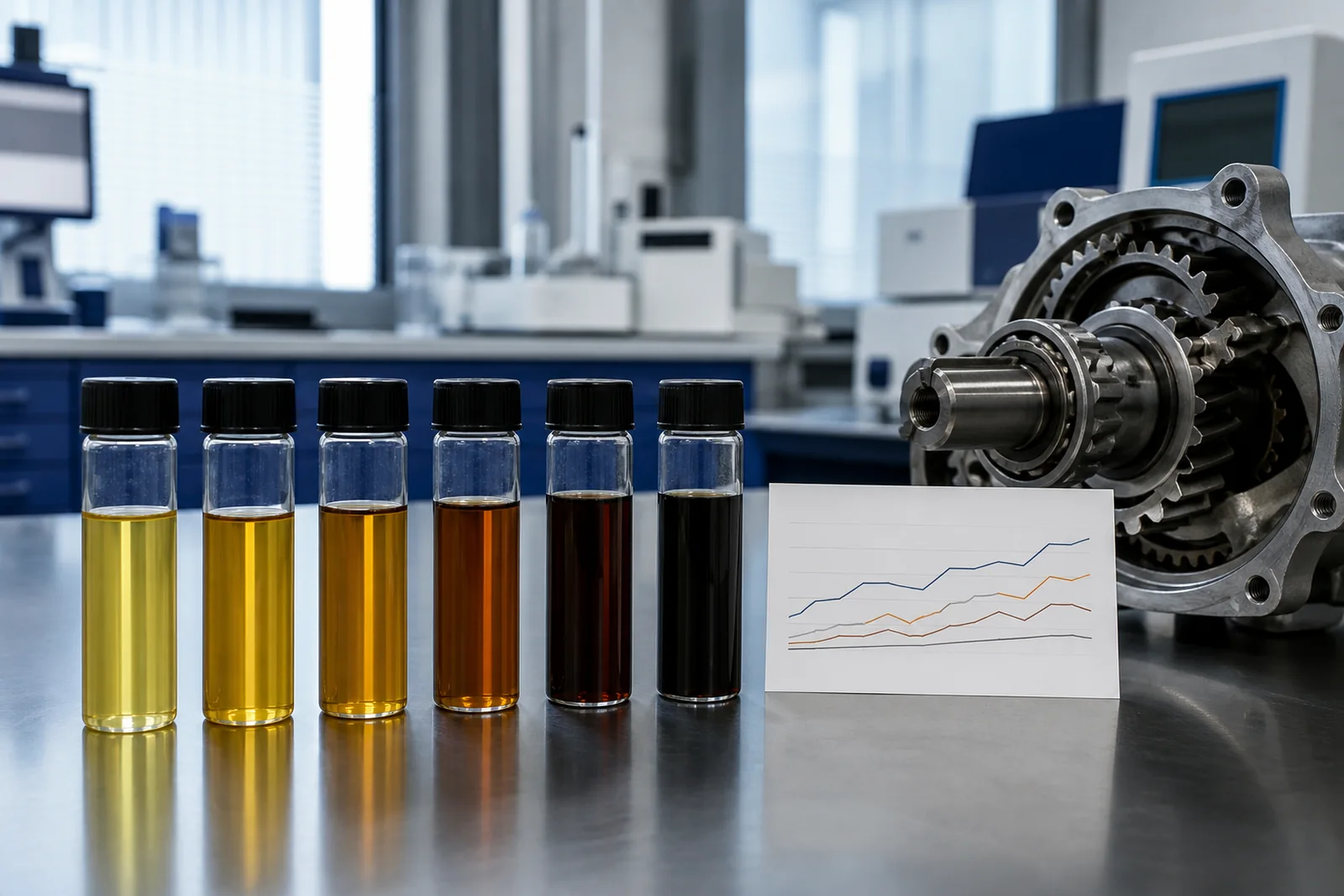
Read change across a trend, not one bottle
Repeat samples become useful when the machine, lubricant, interval and operating history stay connected.
- 01Representative sample
- 02Comparable history
- 03Maintenance action
Who it is for
Built around your operation and your team
The scope is adjusted to the site, business question and people who will use the result.
- Factories and process plants
- Fleets and heavy equipment operators
- Power and utility assets
- Cement, mining and steel plants
- Gearbox and hydraulic-system users
- Maintenance service providers
What you receive
Useful outputs, not a presentation that disappears
Every engagement is scoped around a decision, improvement or working system your team can continue using.
Asset and sampling plan
Critical assets, component IDs, sample points, intervals and clean sampling practice.
Test-group selection
Parameters matched to the lubricant, equipment, failure concern and available accredited scope.
Trend and exception review
Results reviewed against the right baseline, history and operating context.
Maintenance action note
Plain next steps and urgency level, with escalation when more evidence is needed.
How the engagement works
A clear route from brief to action
The order matters: first agree the question, then collect the right evidence, and only then recommend action.
- 1
Choose critical assets
Start where failure consequence or lubricant risk justifies routine monitoring.
- 2
Establish the baseline
Record oil identity, equipment history, hours, top-ups and representative sample location.
- 3
Collect and test
Use clean repeatable sampling and an agreed laboratory test group.
- 4
Interpret connected evidence
Review lubricant condition, contamination and wear indicators together.
- 5
Act and trend
Record maintenance actions and compare the next result with the same asset history.
Ways to engage
Start focused. Expand only when it adds value.
Final scope, timing and fees are confirmed after a short requirement review.
A specific machine concern
Single diagnostic sample
- Question-led test selection
- Laboratory coordination
- Technical interpretation
A defined group of assets
Routine monitoring programme
- Asset register and sample plan
- Repeat test groups
- Trend and alert review
Larger maintenance teams
Plant condition dashboard
- Criticality-based programme
- Fleet or plant summary
- Periodic management review
Before we begin
Information that helps us scope the work
- Asset and component identity
- Lubricant name and grade
- Oil and equipment hours
- Sampling point and recent top-ups
- Maintenance events and current concern
Reference-led practice
Standards, research and industry evidence behind the scope
These sources inform the service design. Linked patents are technical references, not a claim that Lubechem owns or uses the patented invention.
Common questions
What clients usually ask first
Which machines can be monitored?
Common candidates include engines, gearboxes, hydraulic systems, compressors, turbines and other oil-lubricated critical assets.
Is one sample enough?
One sample can help with a focused concern, but a reliable trend normally needs consistent repeat samples and accurate equipment history.
Do you run every test on every sample?
No. The test group should match the equipment, oil and decision. Unnecessary testing adds cost without necessarily improving the maintenance decision.
Start with the real requirement
Tell us what needs to improve, be verified or be built.
Share the site, team, product or equipment involved and the decision you need to make. We will recommend a sensible first scope.
Start a technical discussion